
4 August 2026
Do you trade with the United Kingdom?
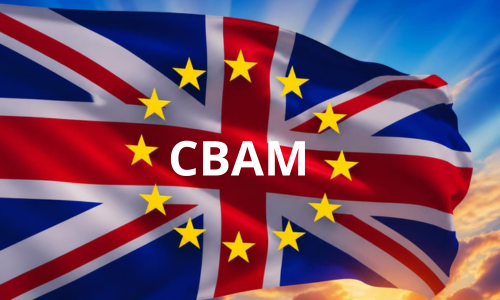
From 1st January 2027, the UK CBAM will enter into force. However, this is not a copy of the European ...
 English
The European Union is once again tightening the rules for importing steel from non-EU countries. A new measure, based on Implementing Regulation (EU) 2026/846 published in EUR-Lex on 9 April 2026, brings important changes in anti-dumping (AD) duties.
The EU is responding to long-term pressure from cheap foreign steel, which it claims is distorting the European market. This has led to a significant tightening of import conditions, particularly through higher tariffs and restrictions on import volumes. According to current information, the amount of goods that can be imported duty-free or at a reduced duty rate (i.e., the reduction of tariff quotas) is decreasing.
An anti-dumping duty is an extra charge applied to goods imported at unfairly low prices. The aim is to protect European producers from cheap foreign competition. Simply put: if steel from outside the EU is too cheap, the EU can add a duty to make its price closer to that of European products.
For importers, this mainly means:
Companies reliant on steel imports should respond proactively – for example, by seeking alternative suppliers or optimising their customs procedures.
The situation may continue to change. We recommend:
These changes confirm a long-term trend: the EU is increasingly protecting its market and strengthening import controls. In practice, this means one thing – companies cannot manage imports today without up-to-date information and well-established processes.


Company ID: 29376211
VAT ID (VAT NUMBER): CZ29376211



© Celní jednatelství Zelinka s.r.o., All rights reserved
